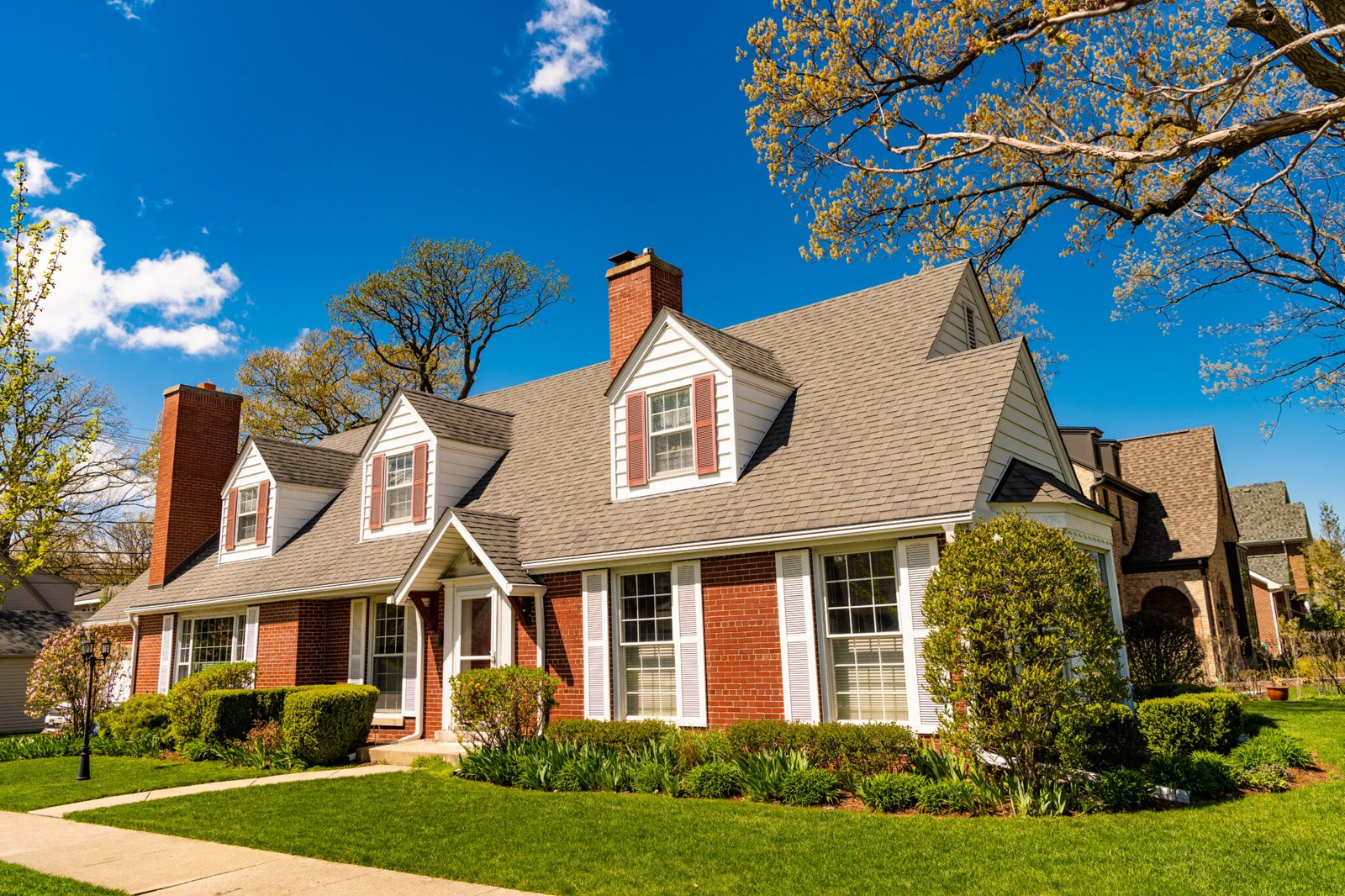
In many markets, it’s harder to find affordable real estate, but there are still chances for buyers who know where to look and how to judge value correctly. Finding homes for sale for less than $100,000 isn’t about chasing after deals that aren’t real or hoping for the best. It’s about having a plan, being patient, knowing the market, and making smart choices.
This guide gives you a basic, long-term plan for finding, looking at, and buying homes that cost less than $100,000. The ideas in this article apply to everyone, whether you’re buying your first home, investing, or looking for a cheap place to live. These ideas are still true no matter what the economy is like, what the interest rates are, or what the housing market is like.
The book they should hand you with the keys
Everything in real estate finally explained like a friend would — 73 pages, 3 levels, from your first viewing to your first investment property. Read it once, keep it forever.
Instant download
Understanding the Truth About Homes That Cost Less Than $100,000
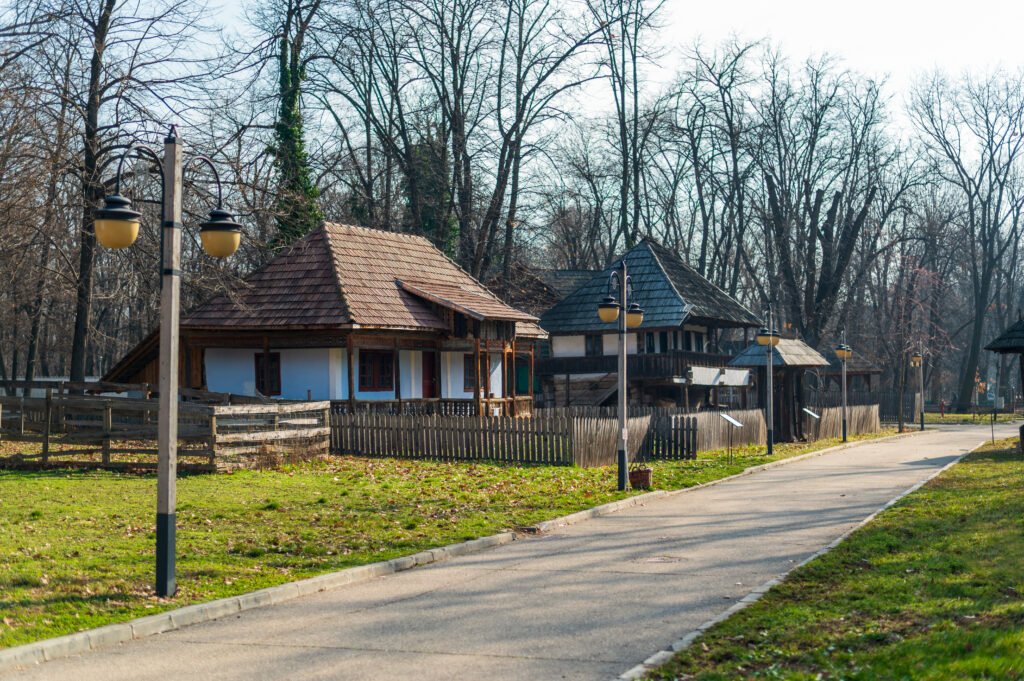
It is very important to make sure that your expectations match what is actually happening in the market before you start looking. There are still homes that cost less than $100,000, but they are usually only found in certain areas, types of properties, and conditions.
Where These Properties Are Commonly Found
You can often find these properties in:
- In smaller towns or rural areas
- Neighborhoods that are changing or that people don’t pay attention to
- Older homes
- Markets where the population is growing more slowly
- Places where there is a lot of demand for rentals but the median home price is low
Knowing this context helps buyers set realistic goals and make smart decisions instead of getting angry.
Why It’s Still Important to Know How to Find Homes for Sale Under 100k
Affordable housing is very important for long-term financial stability. Lower prices make buying less risky, give you more cash flow options, and give you more options when the economy is unstable.
Benefits of Homes Under $100,000
Homes that cost less than $100,000 can:
Nobody is born knowing what escrow means. The people who seem confident just got a calmer explanation than you did.
That's the whole idea behind our field guide — 73 pages that explain buying, selling, renting, and investing the way a patient friend would. This article is one piece of the picture. The book is the picture.
- Make it easier to buy a home
- Cut down on long-term debt exposure
- Make it easy for new investors to get in.
- Offer a lot of potential for high returns in some rental markets
- Give people stable housing without going too far into debt.
Affordability is still a big plus for buyers who care about sustainability over speculation.
Location Strategy: The Key to Finding Affordable Homes
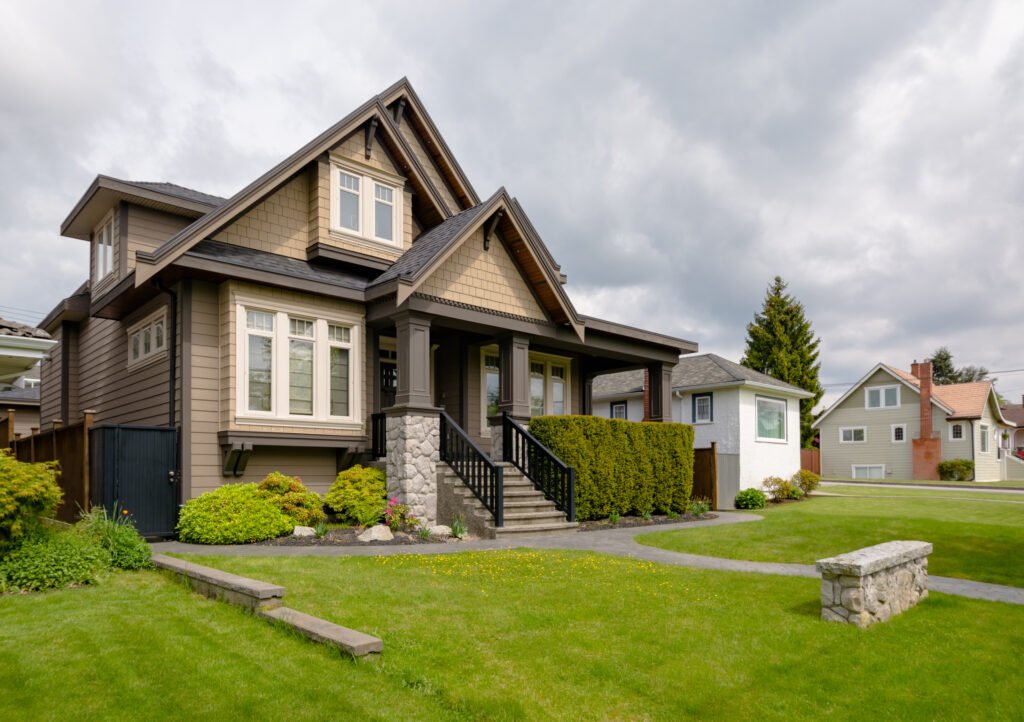
When learning how to find houses for sale for less than 100k, location is the most important thing to think about. Regional economics, not the value of individual properties, often set price ceilings.
Target Secondary and Tertiary Markets
In big cities, homes under $100,000 are rare unless they need a lot of work done to them. But secondary and tertiary markets often do.
Look for places with:
- Stable job sectors: healthcare, logistics, manufacturing, and education
- A small amount of population growth or stability
- Living costs are lower
- Consistent demand for rentals
- Fair taxes on property
Smaller cities are often more affordable and still have easy access to jobs and important services.
The book they should hand you with the keys
Everything in real estate finally explained like a friend would — 73 pages, 3 levels, from your first viewing to your first investment property. Read it once, keep it forever.
Instant download
Not Just Prices, but Also How Neighborhoods Work
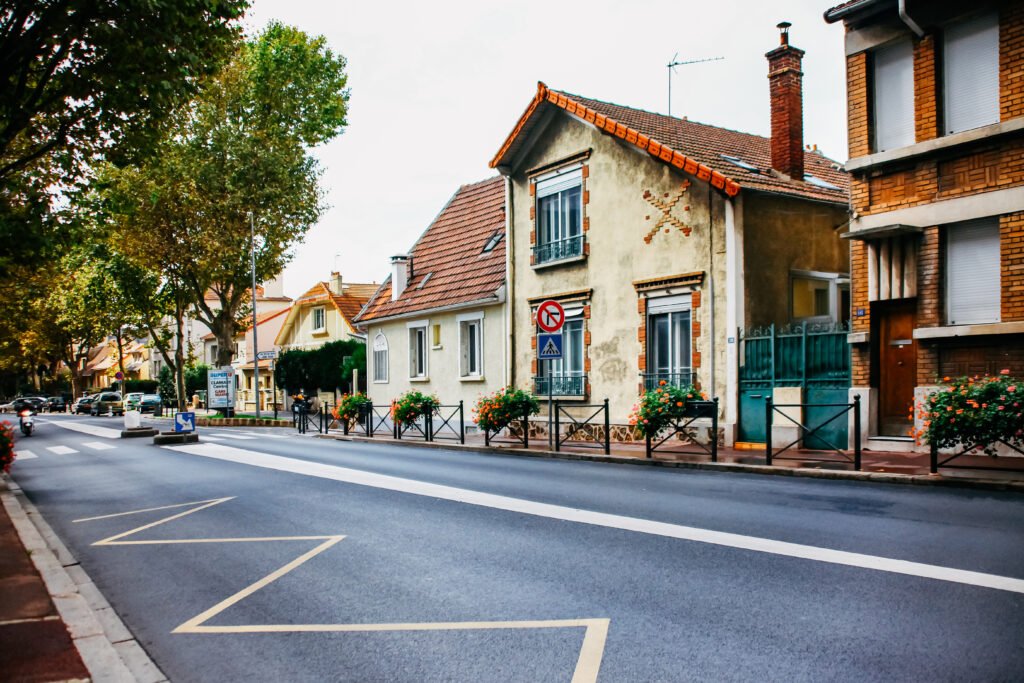
A low price alone does not make something valuable. It is very important to look at the basics of the neighborhood.
Important Neighborhood Indicators
Important signs are:
- Rates of owner-occupancy
- Crime trends over time, not just the news
- Investing in infrastructure
- Stability in the school district
- Getting around and having basic needs met
Stable neighborhoods that people don’t pay much attention to often do better in the long run than areas that are quickly falling apart.
Using Online Listing Platforms Wisely
When looking for cheap homes, public listing websites are still a good place to start, but you have to use them wisely.
Improving Search Filters
To get better results:
- Set strict limits on prices
- Widen geographic limits
- Include dates of older construction
- Don’t set property criteria that are too strict.
- Look at the price history and how long it has been on the market.
Because there aren’t many buyers, many cheap properties stay on the market longer, giving buyers more chances to negotiate.
The Strength of Local Knowledge and Offline Search Methods
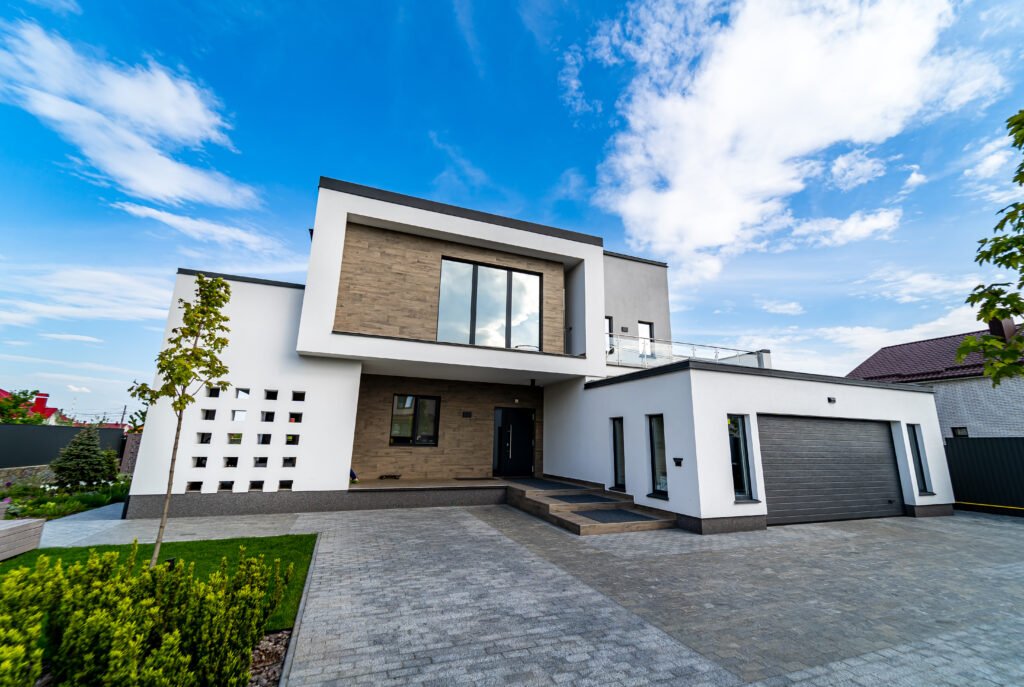
Some of the best chances are never widely known about. You often need to look beyond national platforms to learn how to find homes for sale for less than 100k.
How to Work with Local Real Estate Agents
Agents who work with lower-priced properties or properties for investors can offer:
- Access to listings early
- Understanding of areas that aren’t worth as much
- Understanding why the seller wants to sell
- Advice on how to set realistic prices
Building long-term relationships with local professionals usually works better than just looking for deals.
Looking into Distressed and Non-Traditional Sales
Homes that are affordable often come onto the market through unusual means.
Properties That Are in Foreclosure or Owned by Banks
Even though there is competition, these properties may be priced lower than the market value because of their condition or the need to sell them quickly.
Important things to think about:
- Do thorough checks
- Learn how foreclosures work in your area
- Be careful when planning for repairs
- Be patient with how long transactions take
Listings for Estate Sales and Probate
When heirs live out of state or want to sell quickly, estates may prioritize speed over getting the best price for the property.
Nobody is born knowing what escrow means. The people who seem confident just got a calmer explanation than you did.
That's the whole idea behind our field guide — 73 pages that explain buying, selling, renting, and investing the way a patient friend would. This article is one piece of the picture. The book is the picture.
Direct Outreach and Opportunities That Aren’t on the Market
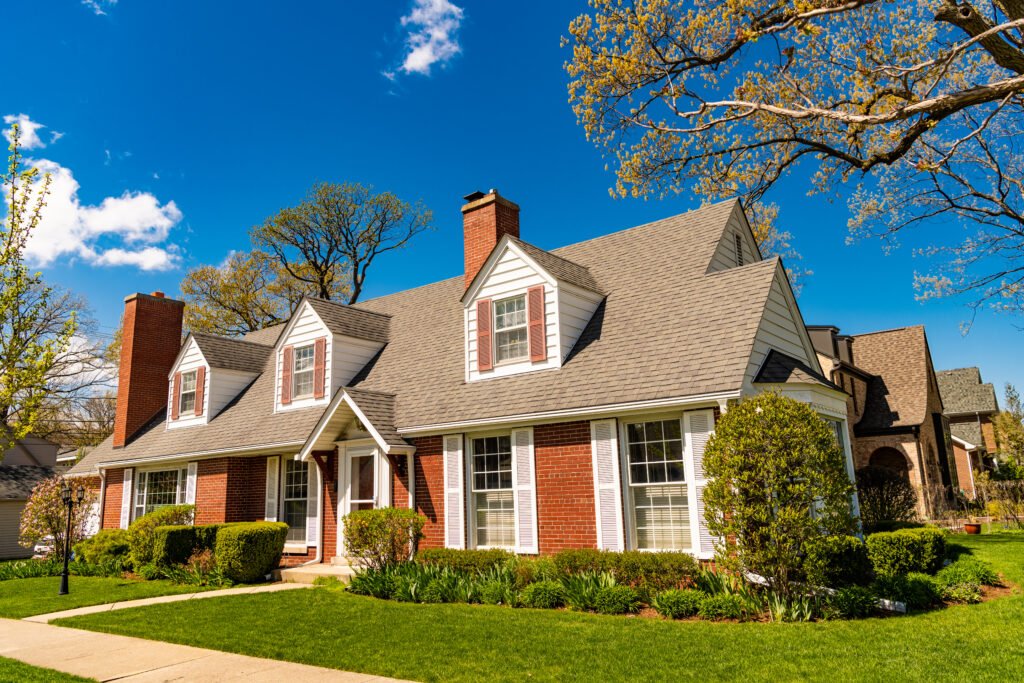
One of the best long-term strategies is to search for things ahead of time instead of waiting for them to show up.
Targeting Owners for a Long Time
People who have owned their homes for decades often have:
- Low remaining mortgage balances
- Postponed maintenance
- Willingness to make transactions easier
Writing letters or networking with people in your area in a polite and professional way can help you find opportunities that aren’t available online.
Checking the Condition of the Property and the Real Cost
Most homes that cost less than $100,000 need some kind of repair. It’s very important to know the difference between cosmetic problems and structural problems.
Repairs That Usually Give You More for Your Money
Improvements that are easier to handle are:
- Flooring and paint
- Landscaping
- Upgrades to fixtures
- Small changes to the plumbing or electrical system
Repairs That Need Care
Big risks are:
- Problems with the foundation
- The roof failed
- A lot of mold
- Old electrical systems
- Problems with the sewer or septic system
Always think about how much the repairs will cost compared to how much the item is worth after the repairs are done, not how you feel about it.
Ways to Pay for Homes That Cost Less
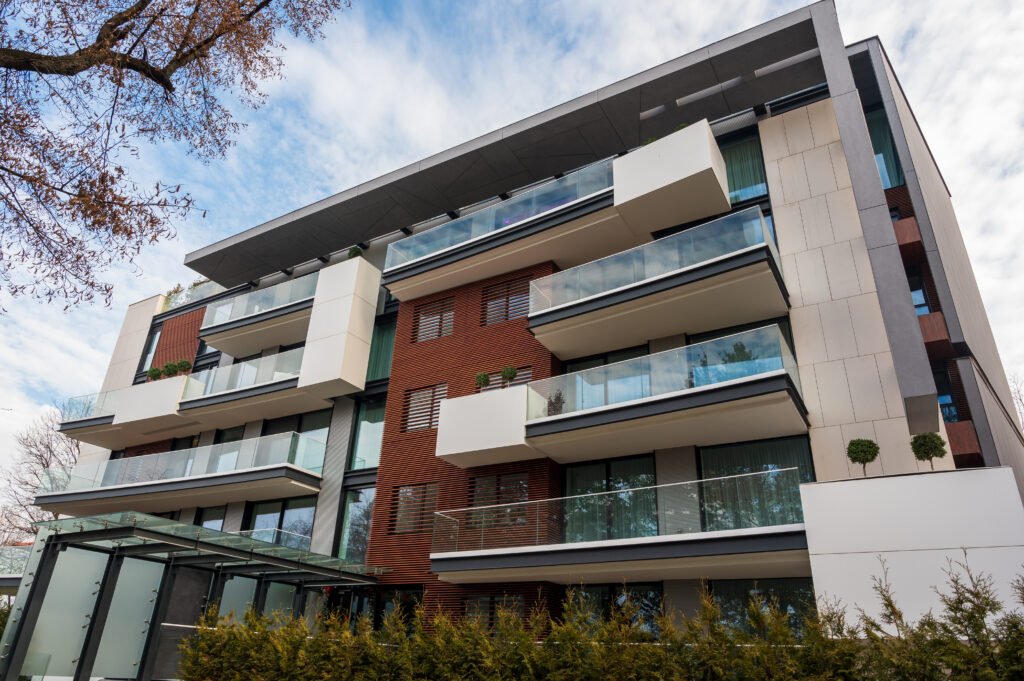
Financing is a big part of how affordable something is. People who are looking for houses for sale under $100,000 need to know about the limits and opportunities for funding.
Loans from Banks and the Government
Some lenders require a minimum amount for a loan. But:
- FHA and USDA loans might help lower the price of a home.
- Local credit unions often have terms that are easy to change.
- Programs that help with down payments can lower the costs up front.
Cash and Hybrid Plans
Buying with cash may:
- Give you more power in negotiations
- Make closing less complicated
- Make transactions go faster
In markets for affordable housing, hybrid approaches like private lending followed by refinancing are common.
Value Over the Long Term vs. Price Over the Short Term
A low price doesn’t mean that something will be successful in the long run. It’s important to think about how sustainable something is.
Think about:
- Costs of maintenance over time
- Trends in property taxes
- Requirements for insurance
- Consistency in rental demand
- Flexibility in exit strategy
When the basics are right, homes that cost less than $100,000 can do better than homes that cost more.
Examples from the Real World of Affordable Market Success
Many stable markets still support purchases of less than $100,000 because of regional economic balance, not speculation.
Some examples are:
- Cities in the Midwest that have factories
- Southern towns with health care centers
- Towns with colleges where people always want to live
- Rural areas close to places where people work in the region
These markets show that being affordable and stable don’t have to be two separate things.
How to Avoid Common Mistakes When Looking for Cheap Homes
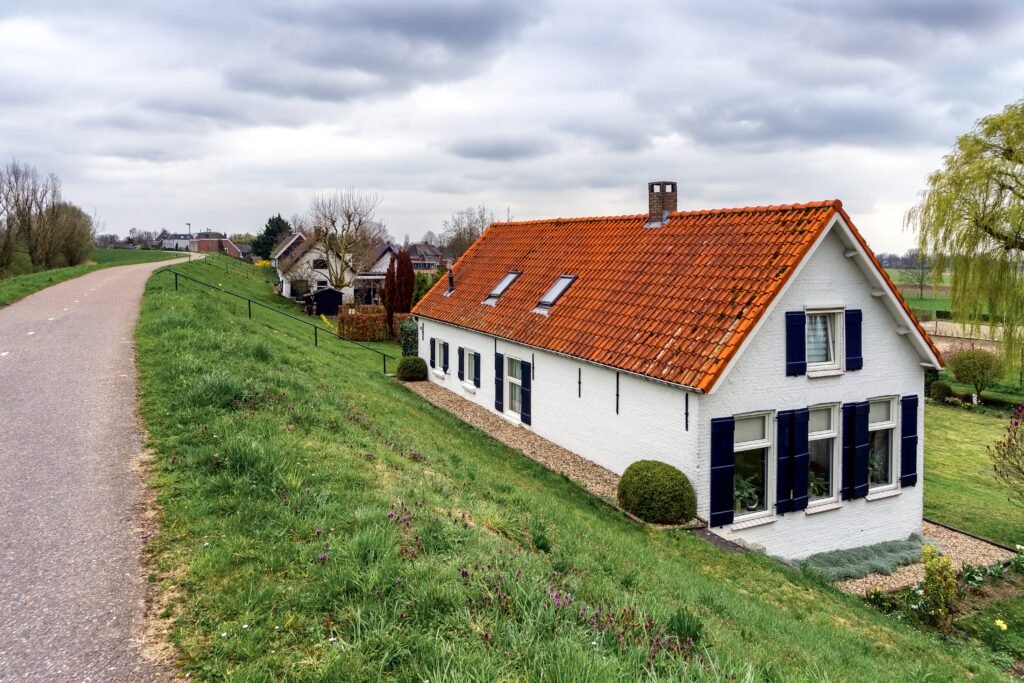
Knowing how to find homes for sale for less than $100,000 also means knowing what to stay away from.
Some common mistakes are:
- Not taking into account all costs of ownership
- Not thinking about how much repairs will cost
- Not paying attention to the basics of the neighborhood
- Chasing “cheap” without thinking about value
- Making decisions too quickly because of fear of not having enough
Consistent disciplined analysis beats making decisions based on feelings.
Timing the Market Without Making Predictions
There are homes that are affordable no matter what the market is like. Instead of trying to guess when the market will peak or crash, focus on things you can control.
Some long-term strategies are:
- Buying for less than the cost of replacement
- Making sure there is a chance of positive cash flow
- Keeping money in reserve
- Holding on for a long time when the fundamentals are still strong
It’s often better to spend more time in the market than to time it.
Creating a System That Works for Finding Cheap Homes

The best buyers see affordability as a process, not just a one-time thing.
A system that can be used over and over again includes:
- Set target markets
- Consistent criteria for evaluating deals
- Trustworthy business relationships
- Planning your money for the long term
- Ongoing education about the market
No matter what the interest rates, technology platforms, or housing cycles are, this system still works.
Final Thoughts: Learning How to Find Homes for Sale for Less Than 100k
To learn how to find houses for sale for less than 100k, you need to know about markets, set realistic goals, and use timeless real estate rules. There are still affordable homes, but they reward planning, patience, and discipline instead of taking the easy way out.
Buyers can always find opportunities that others miss by focusing on the basics of location, using both online and offline strategies, looking at the total cost of ownership, and keeping a long-term view.
This method turns affordability from a problem into a strategic advantage that will keep giving you value for years to come.
Free guide
Confused by real estate? Get the plain-English guide.
Buying, selling, investing & the legal basics — explained simply in 20 pages. Free, straight to your inbox.
No spam. Unsubscribe anytime.