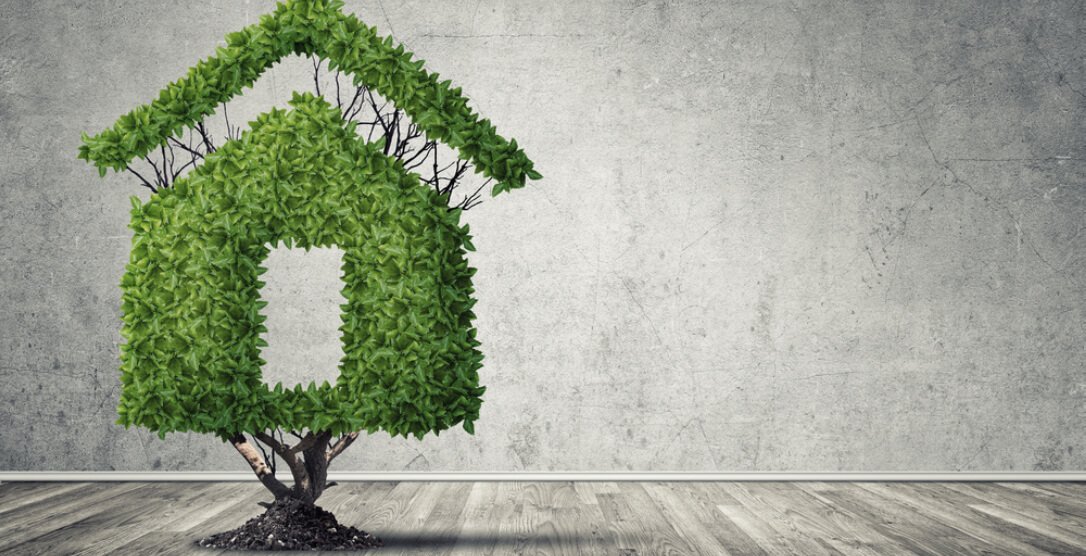
In the last few years, eco-friendly real estate has gone from being a small market to something that builders, homebuyers, and investors all care about. The demand for green homes has grown as worries about climate change, energy efficiency, and living in a way that is good for the environment have grown. But eco-friendly real estate isn’t just a fad; it’s a big change in how we think about housing, community development, and taking care of the environment.
You need to know about eco-friendly real estate whether you’re buying your first home, investing in real estate, or just interested in green housing. This in-depth guide looks at the basic ideas, benefits, and long-term strategies that have made this movement grow and stay strong.
Stop googling one term at a time. Understand the whole thing.
Articles answer one question. Real Estate, Made Readable answers the next fifty — 73 pages that walk you from total beginner to confident decision-maker, in plain English.
- Buying, selling, renting & investing — all in one place
- Every term explained the first time it appears
- Diagrams, worked examples & decision cheat-sheets
Instant PDF download
What is Real Estate That Is Good for the Environment?
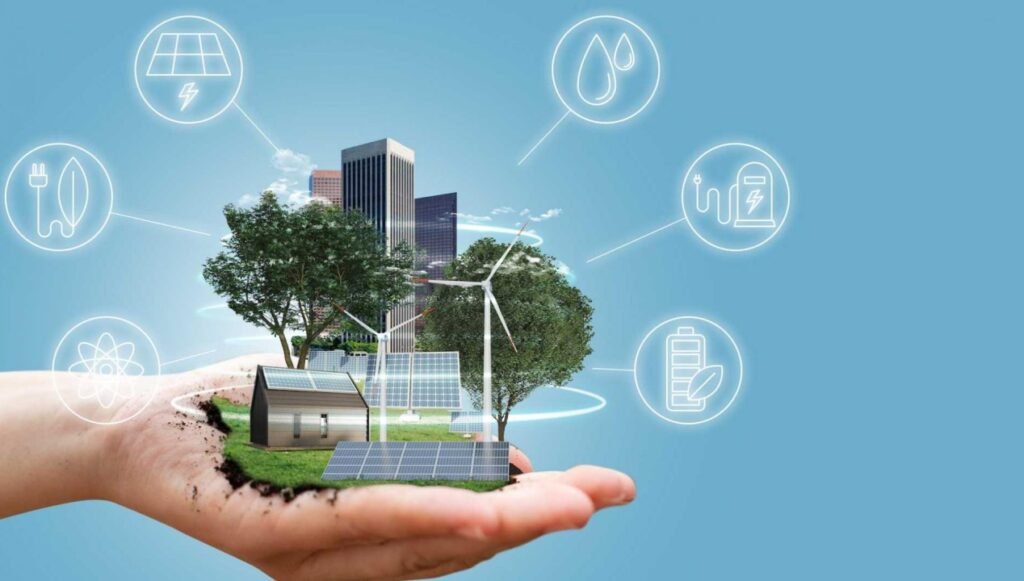
Eco-friendly real estate is property that is designed, built, and run with the goal of having the least effect on the environment. These homes and buildings use materials that are good for the environment, systems that use less energy, and building methods that help keep the environment in balance over time. Some of the most important things about eco-friendly real estate are:
- Appliances and systems that use less energy
- Solar panels and other sources of renewable energy
- Building materials that are eco-friendly or recycled
- Good insulation and construction that keeps air out
- Systems for saving water
- Smart technology to make the most of energy
The goal is to lower utility bills, improve quality of life, and lower carbon footprints.
Why Eco-Friendly Real Estate Is Getting More Popular
1. Concerns About the Environment
Climate change is no longer a threat that is far away. Extreme weather, rising sea levels, and more pollution have made it clear that we need to find ways to live sustainably right away. Real estate is a big source of carbon emissions around the world, especially when buildings are being built and used. Eco-friendly homes deal with these problems directly by using less energy and making living spaces cleaner.
2. Benefits for the Economy
People often think that green homes are expensive, but eco-friendly real estate can actually save you money in the long run. Energy-efficient systems lower your monthly utility bills, and things like solar panels can give you energy credits or tax breaks. Also, because more people want eco-friendly homes, these homes tend to keep their value better and sell faster.
3. Health and Well-Being
A lot of green homes are built with materials that aren’t harmful, have better air filtration systems, and let in a lot of natural light. All of these things make the inside of the house healthier. This can be a big plus for families with kids, older people, or people with breathing problems.
Stop googling one term at a time. Understand the whole thing.
Articles answer one question. Real Estate, Made Readable answers the next fifty — 73 pages that walk you from total beginner to confident decision-maker, in plain English.
- Buying, selling, renting & investing — all in one place
- Every term explained the first time it appears
- Diagrams, worked examples & decision cheat-sheets
Instant PDF download
4. Support and Incentives for Policies
Local, state, and federal governments have all come up with ways to encourage sustainable housing. Policy support is helping eco-friendly real estate become more popular by offering tax breaks and rebates for energy-efficient appliances.
Important Parts of Eco-Friendly Homes
To really understand what makes a property eco-friendly, you need to know about some basic design and operational elements:
1. Energy-Saving
- High-performance insulation cuts down on the need for heating and cooling.
- Windows and Doors: Low-emissivity coatings on double- or triple-pane windows help keep heat in.
- Lighting: LED lights and motion sensors help you save electricity by not using it when you don’t need to.
2. Saving Water
- Low-flow fixtures are faucets, toilets, and showerheads that use less water.
- Recycling greywater means using water from sinks and laundry for landscaping.
- Rainwater harvesting: Gathers and stores rainwater to use for watering plants or in the home.
3. Building Materials That Are Good for the Environment
- Reclaimed wood, bamboo, or cork are all renewable resources that don’t hurt the environment.
- Recycling metal and glass cuts down on the need for new raw materials.
- Non-toxic paints and glues improve the air quality inside.
4. Using Renewable Energy
- Solar panels turn sunlight into electricity that you can use in your home.
- Wind turbines: A different renewable energy source for places that are right.
- Geothermal systems use the earth’s natural heat to heat or cool things.
5. Technology for Smart Homes
- Thermostats: They automatically learn how people use them and change the temperature settings.
- Energy monitors: Keep an eye on how much energy is being used in real time to encourage people to save energy.
- Automated lighting and shading systems: Make the most of natural light and cut down on the need for artificial light.
Don’t miss:
- How to Invest in Real Estate with Little Money: Beginner Tips That Work
- What Homebuyers Should Know About Eco-Friendly Real Estate
- Remote Work and Real Estate: How the Work-From-Home Era Is Changing What Buyers Want
What Buyers Should Look for in Green Homes
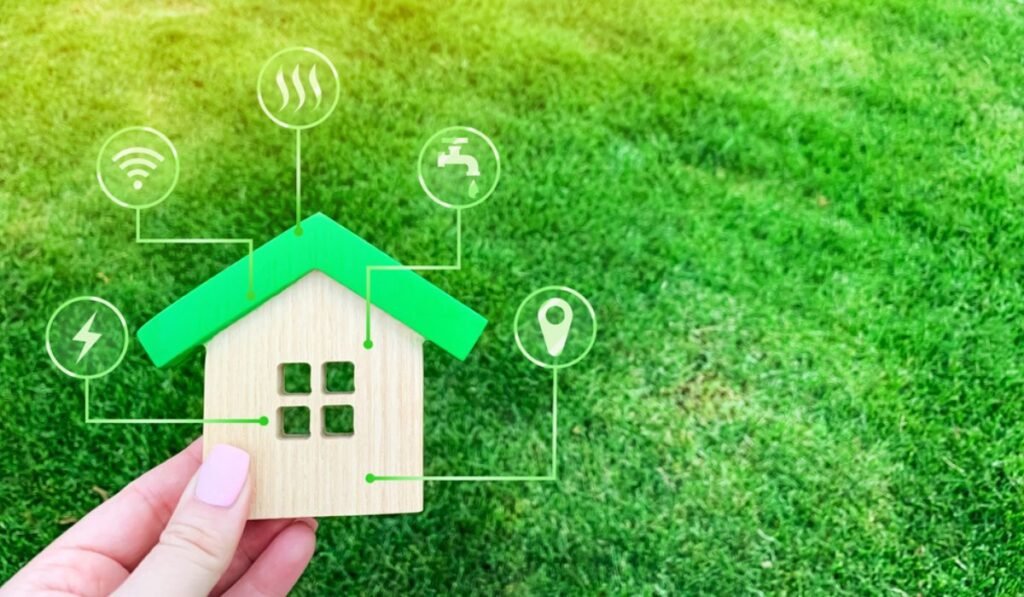
If you’re looking for a green home, look for these signs:
1. Certification from Energy Star
The U.S. Environmental Protection Agency has strict standards for energy efficiency that homes with Energy Star certification have met.
The book they should hand you with the keys
Everything in real estate finally explained like a friend would — 73 pages, 3 levels, from your first viewing to your first investment property. Read it once, keep it forever.
Instant download
2. Getting LEED Certification
The Leadership in Energy and Environmental Design (LEED) certification shows that a home meets very high standards for green building.
3. HERS Index for Home Energy Rating
The HERS Index tells you how energy-efficient a home is. A lower score means better performance.
4. Standards for Passive Houses
This voluntary standard is all about using very little energy by making buildings airtight, recovering heat, and letting in passive solar gain.
Long-Term Ways to Invest in Eco-Friendly Real Estate
1. Buy Based on the Weather and Location
The location of a home affects how well it can use natural resources. For instance, the performance of solar panels changes from one area to another. When looking at how energy-efficient a building could be, think about the weather.
2. Update Old Properties
Not every eco-friendly home has to be a new build. Many homes that are already built can have energy-efficient systems, better insulation, and eco-friendly materials added to them to make them better for the environment.
3. Think About How Much Money You’ll Save in the Long Run
Green homes may cost more up front, but the money they save on energy bills and maintenance over time is often worth the extra money. Don’t just look at the sticker price; figure out the total cost of ownership.
4. Talk to Experts
Real estate agents, builders, and energy auditors who know about building green homes can give you useful information and help you avoid greenwashing (making false claims about being environmentally friendly).
Examples of Eco-Friendly Developments in the Real World
1. Florida’s Babcock Ranch
Babcock Ranch is said to be the first solar-powered town in the U.S. It has homes with solar panels, energy-efficient appliances, and community-wide practices that help the environment.
2. Georgia’s Serenbe
This community uses eco-friendly design in every part of its layout, from geothermal heating to organic farms to green spaces.
3. Amsterdam’s Edge
Even though it is a business, The Edge is often called one of the greenest buildings in the world because it uses smart systems to control how much water and energy it uses.
These new buildings show what eco-friendly real estate can look like on a bigger scale.
Problems and Wrong Ideas
Eco-friendly real estate has a lot of benefits, but it still has some problems to deal with:
1. More Money Up Front
Some buyers may not be able to afford the initial costs, even though they will save a lot of money in the long run. But things are getting better when it comes to incentives and financing.
Nobody is born knowing what escrow means. The people who seem confident just got a calmer explanation than you did.
That's the whole idea behind our field guide — 73 pages that explain buying, selling, renting, and investing the way a patient friend would. This article is one piece of the picture. The book is the picture.
2. Greenwashing
Some properties may be advertised as “green” even if they don’t meet important standards for sustainability. Always check for real certifications.
3. Limited Availability
It might still be hard to find green homes, depending on where you live. Urban areas are adopting it faster than rural areas.
Support From the Government and Businesses
There are a number of programs and rules that help eco-friendly real estate grow:
- Federal Tax Credits: These are incentives for installing solar panels and making energy-efficient upgrades.
- Local Utility Rebates: A lot of utilities will give you money back if you install high-efficiency HVAC systems or upgrade your insulation.
- Changes to Zoning and Codes: Cities like Portland and San Francisco are changing their codes to make housing more environmentally friendly.
These programs make it easier for people to get involved and encourage widespread use.
How to Make Your Home More Eco-Friendly Right Now
If you’re not ready to move yet but want to live in a more eco-friendly way, think about these changes:
- Seal leaks and improve insulation
- Put in smart thermostats
- Change to LED lights
- Use paints and finishes that have low VOC levels
- Use native plants in your landscaping to use less water
Each of these steps will help you save money on your utility bills and make your home a healthier place to live.
Looking Ahead
Real estate that is good for the environment isn’t just a trend; it’s the future of housing. We can expect more new ideas in sustainable design, construction, and community planning as building technologies get better and people become more aware of the environment.
New trends are:
- Net-zero homes are made to use as much energy as they make.
- Carbon-positive construction: Homes that take in more carbon than they give off.
- Biophilic design: adds natural elements mer to buildings to make people feel better.
Last Thoughts
The growth of eco-friendly real estate is a big and lasting change in the housing market. As builders, consumers, and policymakers keep putting sustainability first, green homes will become more available and less expensive.
Knowing the principles behind eco-friendly real estate gives you the power to make better decisions for the future, whether you want to buy, invest, or just live more sustainably. You can help the planet and yourself by putting energy efficiency, sustainable materials, and smart design first.
In a world where resources are limited and environmental problems are getting worse, eco-friendly real estate is a smart, responsible way to move forward, one smart home at a time.
Free guide
Confused by real estate? Get the plain-English guide.
Buying, selling, investing & the legal basics — explained simply in 20 pages. Free, straight to your inbox.
No spam. Unsubscribe anytime.