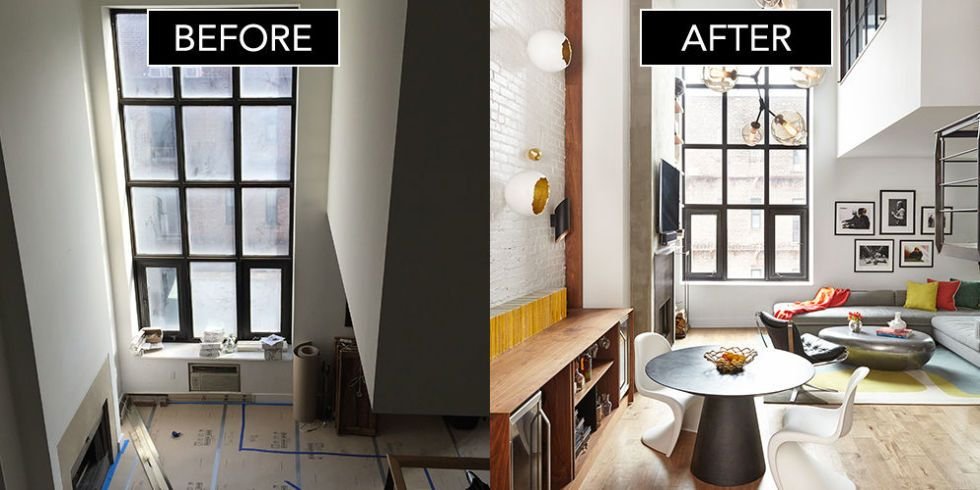
The move to remote work has changed the real estate market. People are not only thinking about where they live, but also how they live, now that the lines between home and work are becoming less clear. “Remote work real estate trends” now describes a long-lasting change in the housing market that is happening because of the changing needs of remote and hybrid workers.
This article talks about how working from home is changing the way people buy homes, what buyers should think about, and how real estate agents can adjust to these changes. This guide gives a full picture of the long-term effects of remote work on real estate by using data, expert opinions, and timeless principles.
Nobody is born knowing what escrow means. The people who seem confident just got a calmer explanation than you did.
That's the whole idea behind our field guide — 73 pages that explain buying, selling, renting, and investing the way a patient friend would. This article is one piece of the picture. The book is the picture.
The Remote Work Revolution: A New Factor in Real Estate Choices
Before COVID-19, most people chose homes based on how close they were to their jobs. But the widespread adoption of work-from-home policies has flipped this logic. Trends in remote work real estate show that people are more interested in homes with home offices, flexible spaces, and lifestyle choices than in homes that are close to work.
Why This Is Important:
- Less need for urban centers: Workers don’t have to live near downtown offices anymore, which makes suburban and rural properties more appealing.
- Lifestyle-led moves: Buyers put outdoor access, bigger living spaces, and community amenities at the top of their lists.
- More freedom: People can choose where to work based on cost, climate, or personal values because they can work from anywhere.
This is a big change in the demand for housing that is likely to last long after the temporary work-from-home policies are over.
Basic Trends in Real Estate for Remote Work

The following long-term trends are always changing how remote work affects people’s decisions about buying a home. These are not just passing fads; they are changes in the structure of the home that show how people’s lives are changing.
1. Home Office: A Need, Not a Want
The growing need for dedicated office space is one of the most important housing trends after the pandemic. A spare bedroom, a finished basement, or even a studio in the backyard can make a home much more appealing.
Important Things for Buyers to Think About:
Stop googling one term at a time. Understand the whole thing.
Articles answer one question. Real Estate, Made Readable answers the next fifty — 73 pages that walk you from total beginner to confident decision-maker, in plain English.
- Buying, selling, renting & investing — all in one place
- Every term explained the first time it appears
- Diagrams, worked examples & decision cheat-sheets
Instant PDF download
- Check to see if the space is good for productivity and comfort.
- Look for soundproofing and windows that let in natural light.
- Take into account whether there is high-speed internet in the area.
Tips for Sellers:
- Point out any rooms that could be used as home offices.
- Set up rooms with desks and good lighting to get buyers excited.
2. More Square Footage
People are looking for bigger homes because they spend more time at home. People want bigger homes for work, play, or school. The National Association of Realtors (NAR) says that sales of homes with extra rooms or bonus areas have been steadily rising.
What Buyers Want:
- Layouts with open spaces for doing more than one thing at once.
- Different areas for work, fitness, and family life.
- Patios and decks are examples of outdoor extensions.
3. Moving to Affordable Markets

People who work from home don’t have to live in expensive cities anymore. Instead, they are moving to places where the cost of living is lower, the quality of life is better, and they can get to nature.
Popular Places to Go:
Nobody is born knowing what escrow means. The people who seem confident just got a calmer explanation than you did.
That's the whole idea behind our field guide — 73 pages that explain buying, selling, renting, and investing the way a patient friend would. This article is one piece of the picture. The book is the picture.
- Cities that are not the biggest or the smallest.
- Towns in the mountains, towns by the beach, and rural areas.
- States that don’t have an income tax or have lower property taxes.
These changes are making new real estate hot spots and chances in places that weren’t thought of before.
4. High-Speed Internet as Necessary Infrastructure
For people who work from home, fast and reliable internet is now a must-have. Communities and developers are responding by putting fiber-optic connections and broadband access at the top of their lists of things to do.
Advice for Buyers:
- Before you buy, look into different internet providers.
- Check the speeds during showings or inspections.
- Talk to your neighbors or local agents about how reliable the network is.
Don’t miss:
- How to Invest in Real Estate with Little Money: Beginner Tips That Work
- What Homebuyers Should Know About Eco-Friendly Real Estate
- Remote Work and Real Estate: How the Work-From-Home Era Is Changing What Buyers Want
5. Integration with Smart Homes
More and more, buying a home while working from home means checking to see if the technology is ready. Buyers want smart thermostats, voice assistants, and security systems that work together to make their personal and professional lives easier.
Smart Features That People Like:
- Lighting and climate systems that can be controlled from a distance.
- Setups for video conferencing that work well.
- Smart locks and cameras for security.
How Working from Home Changes Where People Want to Live
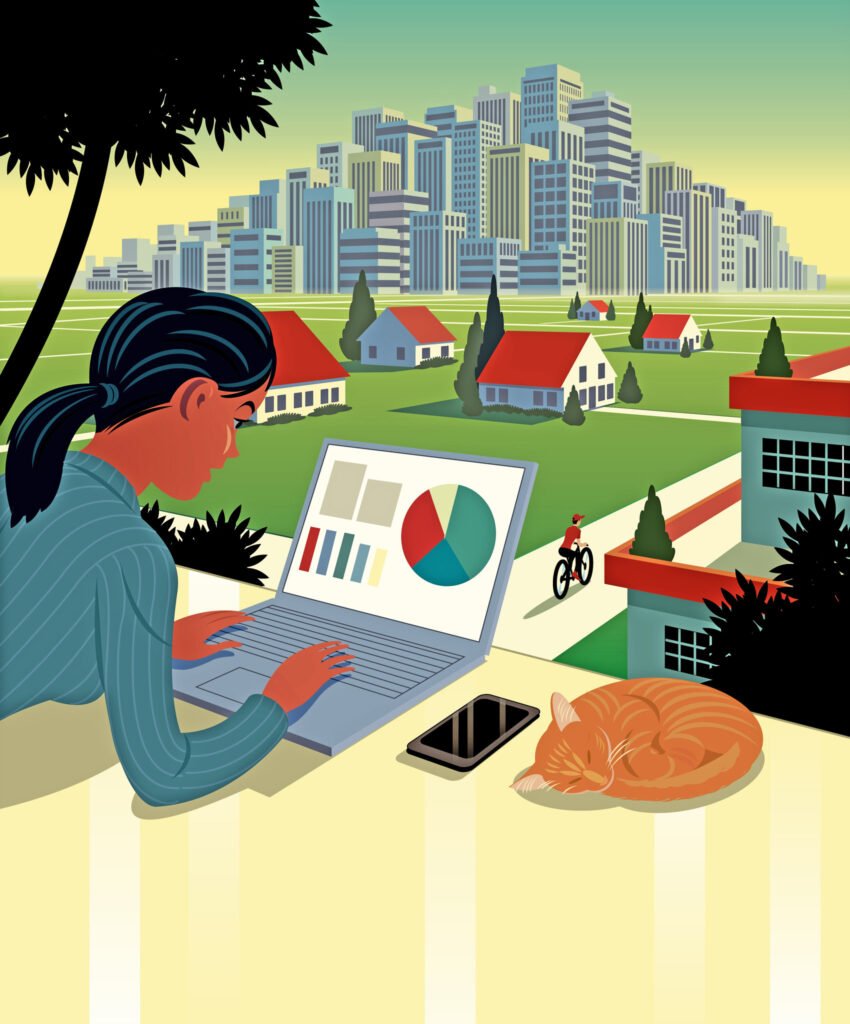
Because more people are working from home, the “where” of buying a home has changed a lot. Buyers no longer care about specific office locations; instead, they look for other things.
Urban Flight and the Return of the Suburbs
Cities will always be attractive, but more and more professionals are choosing to live in the suburbs or exurbs because they are cheaper and have more space.
Benefits of Living in the Suburbs:
- Bigger homes and yards.
- Neighborhoods that are safer and quieter.
- Being able to get outside and enjoy nature.
Finding Small Towns Again
People are becoming more interested in small towns again, especially those with good schools, strong internet infrastructure, and nice weather. Remote workers are helping to boost local economies and support the growth of communities.
Moving to Another Country or State
Some remote workers are moving to other countries or states for lifestyle and financial reasons because they don’t have to worry about where they live.
Most Important Things to Think About:
- Requirements for a visa and residency.
- Access to and safety of health care.
- Employers or clients who are in the same time zone as you.
Long-Term Plans for Real Estate Workers Who Work from Home
Remote workers should use timeless principles to make sure that their investments fit with their lifestyle and financial goals, whether they are buying now or planning for the future.
The book they should hand you with the keys
Everything in real estate finally explained like a friend would — 73 pages, 3 levels, from your first viewing to your first investment property. Read it once, keep it forever.
Instant download
1. Make Sure Your Housing Fits with Your Long-Term Career Goals
Think about what would happen if your job situation changes, even if you work from home now. Pick a place to live where there are a lot of different jobs or where you can work from home easily.
2. Make Plans for Spaces That Can Be Used for More Than One Thing
Being flexible is important. Choose homes that can change with your needs, like when your family grows, you get a new job, or you start a side business.
3. Consider Amenities That Help with Work-Life Balance
Having access to trails, gyms, coworking cafes, and places to hang out with friends is good for your health. Location amenities are still a very important part of what makes remote workers happy.
4. Think Beyond the Pandemic
Don’t go overboard when things change quickly. For instance, the number of fully remote jobs may level off, making hybrid arrangements more common. Pick a home that lets you commute every now and then if you need to.
What Real Estate Professionals Do in the Age of Remote Work
Agents, brokers, and developers need to change to meet the needs of people who work from home. Understanding the “remote work real estate trends” is now essential to delivering long-term value.
For Agents and Brokers:
- List properties that could be used as home offices.
- Teach buyers about zoning laws and how to find homes for sale online.
- Use virtual tours and remote closings to get in touch with clients who live far away.
For Developers:
- Make homes with rooms that can be used in different ways.
- Give tech-savvy amenities.
- Put walkability and local services first.
For Investors:
- Pay attention to new secondary markets.
- Buy properties that digital nomads can rent out for a long time.
- Know about changes to zoning laws and taxes for people who work from home.
Things to Think About for Remote-First Buyers
The rules for making smart real estate decisions will always be the same, even though the work-from-home era may change.
- Location is still important, but what makes a “good location” is changing to include things like lifestyle and tech access.
- Buy what you can afford, taking into account both the initial costs and the ongoing costs like taxes, maintenance, and utilities.
- Do thorough inspections, especially if you’re turning parts of the house into offices or rental units.
- Changes in policy, the local market, and technology can all affect the long-term value of your home, so stay up to date.
Examples from the Real World
Case Study 1: From City Condo to Mountain Home
A software engineer from San Francisco sold his 700-square-foot condo and moved to a 2,500-square-foot house in Colorado. He says that working from home has improved his lifestyle by giving him more space, mountain biking trails, and a better work-life balance.
Case Study 2: Moving the Family to the Midwest
A family of four moved from New Jersey to Ohio, where they bought a bigger house with a finished basement office, great schools, and lower property taxes. Their quality of life got better without losing job security because their jobs could be done from home.
Case Study 3: Suburban Home with Smart Technology
A smart home in the suburbs was chosen by a remote marketing consultant. Automated lighting, climate control, and a soundproof office were some of the features that made her more productive and comfortable.
What Will Happen in the Future? Will These Trends Last?
The trend of working from home is here to stay. Even though hybrid work may become more common, the basic changes in what buyers want are probably here to stay.
Predictions for the Long Term:
- Employers will keep offering flexible work to get the best workers.
- Zoning laws will change to make it easier for people to live and work in the same place.
- Investments in infrastructure in rural areas and small towns will speed up.
- The meaning of “commute-worthy” will keep changing.
Final Thoughts
The housing market is changing in deep, lasting ways because of trends in remote work real estate. The work-from-home era has made flexibility, comfort, and connectivity key factors in home buying decisions. For example, home offices and high-speed internet are now more important than ever.
To make smart investments, buyers need to know about these trends and make purchases that fit with their long-term goals. Real estate professionals need to adjust to these new expectations to stay relevant in a market that is always changing.
The real estate industry will continue to focus on the relationship between work and home as remote work becomes a permanent part of modern life. Accepting these changes not only makes life better for everyone, but it also makes communities stronger and ready for long-term growth.
Free guide
Confused by real estate? Get the plain-English guide.
Buying, selling, investing & the legal basics — explained simply in 20 pages. Free, straight to your inbox.
No spam. Unsubscribe anytime.