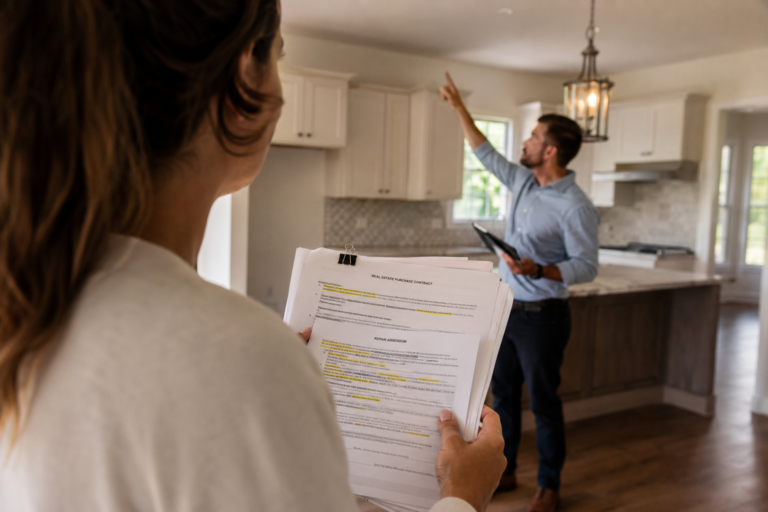
Understanding the Current Housing Market
The real estate market is constantly shifting, and brings new opportunities and challenges for homebuyers. With economic fluctuations, interest rate changes, and supply-demand dynamics, many potential buyers are wondering: Is it a good time to buy a home? The answer depends on several factors, including mortgage rates, housing inventory, and personal financial readiness.
Good time to buy a home: what this guide covers
- Understanding the Current Housing Market
- Mortgage Rates and Their Impact on Affordability
- Housing Inventory: Will There Be More Homes Available?
- Home Prices: Will They Rise or Fall?
- The Role of Government Policies and Incentives
- Renting vs. Buying: Which Makes More Sense?
- How to Determine If It’s the Right Time for You
- Conclusion: Should You Buy a Home?
Experts predict a more balanced market compared to the previous years of extreme seller dominance. While home prices may not drop significantly, the rate of increase is slowing, making it a more favorable environment for buyers. Additionally, government policies and economic conditions will play a crucial role in affordability and mortgage accessibility.

For those considering purchasing a home today, it’s essential to assess both the broader market trends and individual circumstances. Understanding these factors will help buyers make informed decisions and take advantage of potential opportunities in real estate.
Mortgage Rates and Their Impact on Affordability
One of the most critical factors influencing homebuying decisions today is mortgage rates. Over the past few years, rates have fluctuated due to inflation control measures and Federal Reserve policies.
If interest rates stabilize or decrease, homebuyers will find mortgage payments more affordable, increasing purchasing power. However, if rates rise, monthly payments could become a financial burden, making homeownership less attractive. Keeping an eye on Federal Reserve decisions and lender offerings will help buyers lock in favorable rates.
Additionally, mortgage programs tailored for first-time buyers or those with lower credit scores could ease the affordability challenge. Exploring different loan options, including fixed-rate and adjustable-rate mortgages, is crucial for securing the best deal.
Housing Inventory: Will There Be More Homes Available?
A significant factor in determining whether it’s a good time to buy a home is housing inventory. The supply of available homes directly impacts pricing and buyer competition.
Experts anticipate a slight increase in inventory as new construction projects catch up with demand. More homes on the market mean buyers will have greater choices and less pressure to bid above asking prices. This shift from a seller’s market to a more balanced market could work in favor of buyers.
However, location matters. While some metropolitan areas may still face shortages, suburban and rural regions might see a surge in listings. Buyers should research local inventory trends to determine if their desired area offers favorable conditions.
Educational only. Answers stay in your browser.
Home Prices: Will They Rise or Fall?

The question of home prices remains central to buying a home. Many experts predict a more stable market, with prices growing at a moderate pace rather than the rapid increases seen in previous years.
Economic factors such as inflation, wage growth, and employment rates will influence pricing. If the economy remains stable, home prices are likely to see gradual appreciation rather than sharp declines or spikes. This can be reassuring for buyers concerned about overpaying for a home.
For those waiting for a market crash, the chances of a significant price drop appear slim. Instead of waiting indefinitely, buyers should focus on affordability and long-term investment potential when making a decision.
The Role of Government Policies and Incentives
Government policies can significantly impact the real estate market. Today, various housing initiatives and tax incentives might make homeownership more accessible.
First-time buyer programs, down payment assistance, and tax credits could help ease the financial burden for new homeowners. Some cities and states may also introduce grants or lower property tax rates to attract buyers to specific areas.
Additionally, policies aimed at increasing affordable housing development could expand opportunities for middle-income buyers. Staying informed about these initiatives can help buyers make the most of available benefits.
Renting vs. Buying: Which Makes More Sense?
With fluctuating housing prices and mortgage rates, some potential buyers may wonder whether renting is a better option today. The decision ultimately depends on individual financial situations and long-term goals.
Homeownership offers equity-building opportunities and stability, making it an attractive investment for those planning to stay in one location for several years. However, renting provides flexibility, especially in uncertain job markets or for those not ready to commit to a mortgage.
Comparing monthly rent costs to mortgage payments, considering tax benefits, and factoring in maintenance expenses can help individuals determine the best choice for their circumstances.
How to Determine If It’s the Right Time for You
Even if is a good time to buy a home, it doesn’t necessarily mean it’s the right time for everyone. Personal financial health and lifestyle goals play a significant role in making a confident decision.
Assessing savings for a down payment, reviewing credit scores, and ensuring a stable income are crucial steps. Additionally, prospective buyers should calculate long-term affordability beyond just the initial purchase price.
Those who feel financially secure and ready for homeownership should take advantage of favorable market conditions, while others might benefit from waiting until they are in a stronger position.
Conclusion: Should You Buy a Home?
Is it a good time to buy a home? The answer depends on market trends, mortgage rates, inventory levels, and individual financial readiness. While the market is expected to become more balanced, buyers should evaluate their personal situations before making a commitment.
For those who are financially prepared and find a home that fits their needs, could be an excellent time to buy. With stable prices, increased inventory, and potential incentives, homeownership remains a valuable investment.
Ultimately, staying informed and planning strategically will help buyers make the right decision in this evolving real estate landscape.
Good time to buy a home: your next steps
Official resource: see the Consumer Financial Protection Bureau home buying guide. Rules differ by country and state, so check the rules where you live.