Normal wear and tear vs damage is the line that decides how much of your deposit comes back, and most move-out arguments happen right on it. Your landlord can’t charge you for a home simply getting older while you lived in it. They can charge for harm that came from an accident, carelessness or misuse. This guide gives you the test to tell the two apart, a room-by-room table, the age arithmetic that caps any charge, and the exact words to use when you dispute one.
Last verified: November 2026 · The Realistely Team · Sources cited below
- Ask what caused the mark: time and normal living point to wear and tear, a single event or neglect points to damage.
- A landlord who charges for damage should only charge for the remaining life of the item, not the price of a brand-new one.
- Move-in photos and a signed condition report are the strongest evidence you will ever have, so take them on day one.
- If a deduction looks wrong, dispute it in writing, item by item, and ask for receipts and photos.
- The rules differ by country, state and province, and Ontario does not allow damage deposits at all.
Normal wear and tear vs damage: the one test that settles most arguments
This section gives you a single question that sorts almost any mark, stain or break into the right box. The question is: what caused it? Wear and tear is caused by time and by ordinary living, the kind of use any reasonable tenant would make of the place. Damage is caused by something that should not have happened, such as a dropped pan, a pet left alone, a leak you never reported, or a party that got out of hand.
Notice what the test doesn’t ask. It doesn’t ask how bad the mark looks, and it doesn’t ask whether the landlord will have to spend money. Paint that has faded over five years may look tired and still cost the landlord a full repaint, yet it is wear and tear because nothing happened to it except time. A single red wine stain on a new carpet is small, but it came from an accident, so it can be damage.
Three follow-up questions when the first one isn’t enough
- Was it there at move-in? Anything recorded on your move-in report or in your dated photos is not yours to pay for, whatever it is.
- How long did you live there and with whom? More wear is normal after five years with children than after six months alone. England’s leading housing charity uses exactly this comparison.
- How old was the item? A carpet near the end of its life can’t lose much value, so even real damage to it costs little.
Room by room: what usually counts as wear and what counts as damage
This section is the quick-reference table. It shows the common items that come up at move-out and where each one usually lands. Treat it as a guide, not a rulebook: the cause still decides, and a local rule can move an item from one column to the other.
What the law actually says in the US, Canada and the UK
This section covers who sets the rules and the main limits that protect you. None of it replaces your local law, and the details change by state and province, so use it to know which questions to ask.
United States: state law, not federal law
Deposit rules in the US come from each state, and most of them say the deposit can’t be used for ordinary wear and tear. California is a good example of how detailed this gets. Its Civil Code section 1950.5 lets a landlord use the deposit to repair damage “exclusive of ordinary wear and tear”, requires an itemised statement within 21 calendar days after you move out, and requires copies of receipts or invoices when repair and cleaning deductions together go over $125. You can read the text of California Civil Code 1950.5 yourself. Other states set different deadlines and penalties, so search your state’s name with “security deposit law” on its official government site.
Canada: it depends heavily on the province
In Canada the rules are provincial. Ontario is the big exception people miss: there, the only deposit a landlord can collect is a rent deposit of no more than one month’s rent, and it must be used for your last month’s rent. The Landlord and Tenant Board tenant brochure says this plainly. So in Ontario there is no damage deposit to deduct from at all; a landlord who wants money for damage has to pursue it separately. Other provinces, such as British Columbia and Alberta, do allow damage deposits with their own caps and return deadlines.
England: protected deposits and fair wear and tear
In England most private tenancy deposits must be protected in a government-approved scheme, and the landlord cannot keep any of it for fair wear and tear. Shelter’s guidance lists small scuffs on walls, faded curtains or furniture and worn flooring or frayed carpets as typical wear, and says deductions must be reasonable and tied to money the landlord has actually lost. Read what your landlord can deduct, from Shelter for the full list. If you disagree, the deposit scheme’s free dispute service decides, and it looks at who lived in the home and for how long.
Educational only. Answers stay in your browser.
The age arithmetic that caps what a landlord can charge
This section shows you the most useful number in any deposit dispute: the value left in the item. Even when something really is damaged, the landlord shouldn’t end up with a brand-new item paid for by you. UK deposit schemes call that “betterment”, and US courts and state rules often reach the same place through the idea of useful life. Here is how to work it out.
A worked example with a carpet
Say a bedroom carpet cost $1,200 to replace. You and your landlord agree carpets like it are expected to last about 10 years. It was 7 years old when you moved out, and your dog left a stain that won’t come out.
Three things change the result. A higher-quality carpet may have a longer expected life. Damage to one corner of a large room may justify a smaller share again. And if the carpet was already past its expected life, the fair charge can fall to nothing, even though the stain is real damage.
The same idea for paint
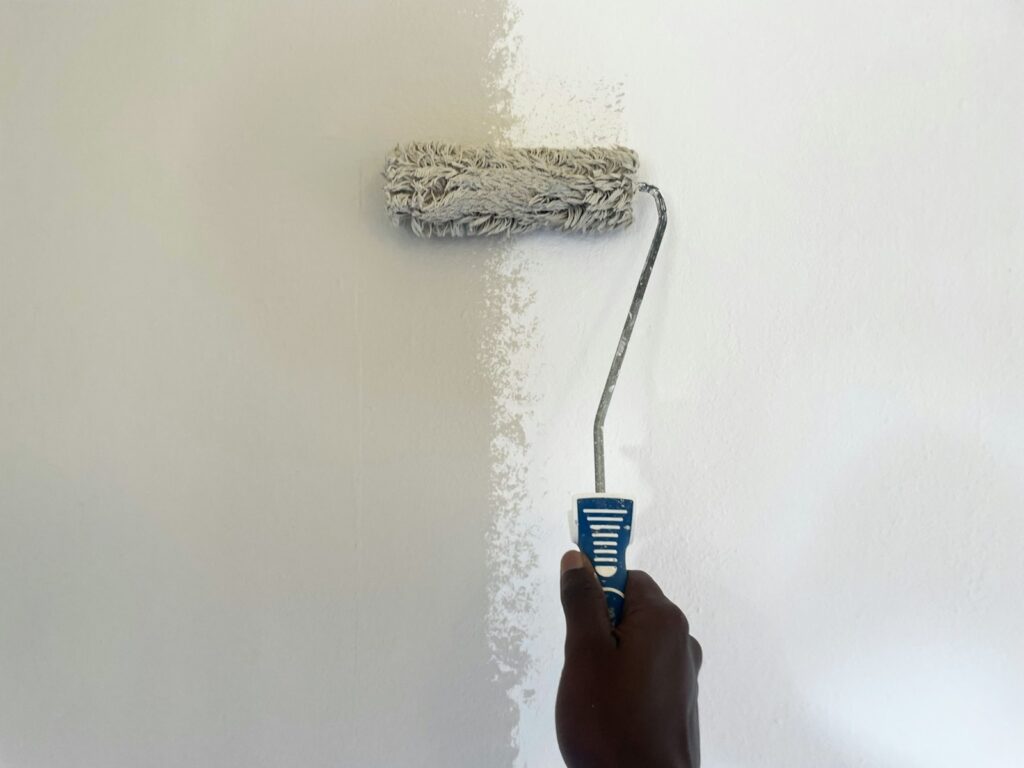
Interior paint in a rental is often repainted every few years anyway. If you leave a large marker drawing on a wall that was due for repainting soon after you left, the landlord’s real loss is small: perhaps the extra coat or the stain-blocking primer, not a full repaint of the flat. Ask them to show what extra work your mark caused compared with the repaint they were going to do.
How to prove normal wear and tear vs damage at move-out
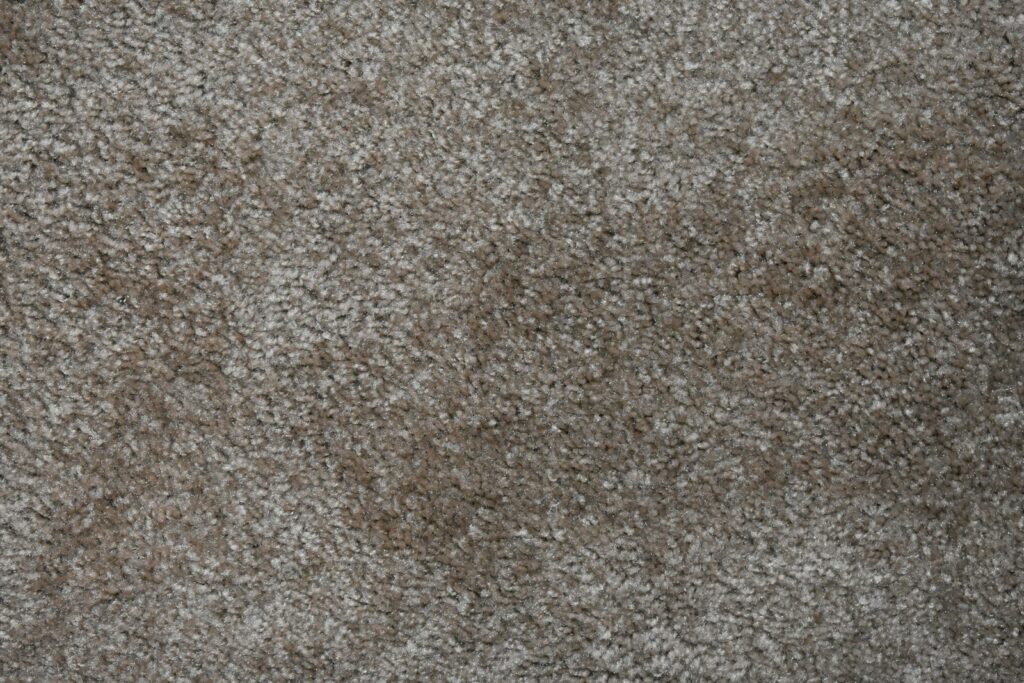
This section is the evidence plan. In almost every dispute, the side with dated photos and a signed report wins, because everything else is memory against memory. Start it on move-in day, then repeat the same shots on move-out day.
If something breaks during the tenancy, put the request in writing. Our free repair request letter generator builds a calm, dated letter you can send by email, and the guide on what to do when a landlord ignores repair requests covers the next steps if nothing happens.
How to dispute a deduction you think is unfair
This section walks you through a dispute from the first email to the formal route. Keep everything in writing, keep it calm, and deal with one item at a time. A landlord or agent is far more likely to drop a weak charge when you show you know the test and the arithmetic.
A script you can copy
Thank you for the deduction list for [address]. I agree with [item], which I will pay. I don’t agree with the following:
1. [Item]: this is normal wear and tear caused by [ordinary use over X years]. It is shown in my move-in photos dated [date].
2. [Item]: this was already present at move-in and is listed on the inventory, page [X].
3. [Item]: I accept this is damage. The item was [X] years old with an expected life of [Y] years, so I propose [amount], worked out as [cost] × ([Y] − [X]) ÷ [Y].
Please send receipts and photos for each charge and confirm the corrected amount by [date]. If we can’t agree, I will ask [the deposit scheme / the tenancy board / small claims court] to decide.
Kind regards,
[your name]
If the money matters for your next move, plan for the gap. Our move-in cash calculator shows what you need up front for the next place, so a slow deposit return doesn’t leave you short.
Special cases: pets, smoking, long tenancies and furnished homes
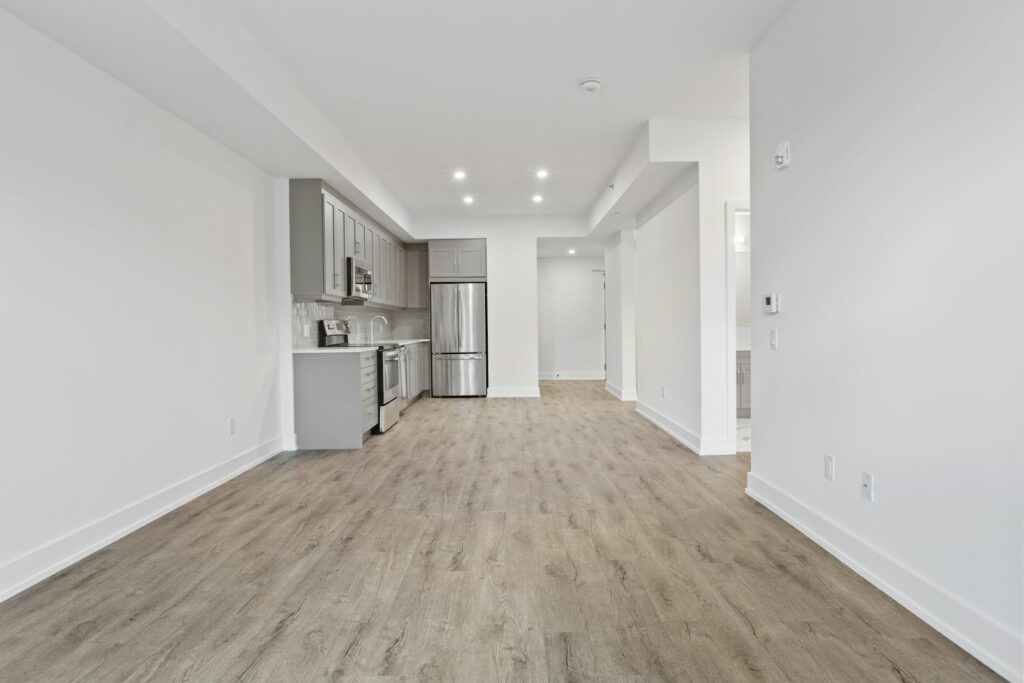
This section covers the situations where the usual line moves. Each one changes what counts as ordinary use, so check which applies to you before you accept or reject a charge.
If you’re weighing up whether to keep renting at all, our comparison of whether it is cheaper to rent or buy runs the numbers, and the real estate glossary explains any lease term you’re unsure about.
Common mistakes that cost renters their deposit
This section lists the mistakes that catch people who already know the basics. Each one comes with what to do instead.
1. Relying on the landlord’s inventory without checking it
Inventories are often rushed. If a mark is missing from theirs, it can look like yours at move-out. Read it within the first days, add what’s missing in writing and keep a copy.
2. Taking photos only at move-out
Move-out photos show the condition, but not when a mark appeared. Without move-in photos, you can’t show it was already there. Take both sets from the same spots.
3. Accepting a full replacement price for an old item
Real damage to a ten-year-old carpet is not worth a new carpet. Ask for the age and expected life every time, and offer the fair share instead.
4. Arguing every line instead of the weak ones
Disputing a fair charge makes your other points look weaker. Accept what is fair, and put your effort into the lines that fail the cause test or the age test.
5. Missing your own deadlines
Deposit schemes, tenancy boards and small claims courts have time limits. Note the dates the moment you get the deduction list, and act before them.
FAQ: normal wear and tear vs damage
Are nail holes normal wear and tear?
A few small nail or pin holes from hanging pictures are commonly treated as ordinary living, especially after a longer tenancy. Many large holes, anchors or holes in tiles are more likely to be seen as damage. Your lease matters here: if it bans nails or asks for hooks only, the landlord has a stronger case. Fill small holes neatly only if you can match the paint.
Can a landlord charge for repainting after I move out?
Not for paint that simply faded or got lightly scuffed through ordinary use, because that is wear and tear. A landlord can usually charge for extra work your actions caused, such as covering marker drawings or an unapproved colour. Even then, the charge should reflect how old the paint was, since walls are repainted every few years anyway.
Is carpet wear normal wear and tear?
Yes, flattened pile, thinning in walkways and fading from sunlight are typical wear. Burns, pet urine, large stains and rips are usually damage. For damage, the fair charge depends on the carpet’s age: a carpet near the end of its expected life has little value left, so the amount you owe should be small, not the cost of new carpet.
How long does a landlord have to return a security deposit?
It depends on where you rent. California requires the deposit or an itemised statement within 21 calendar days of move-out, and other US states set their own deadlines. In England, the deposit scheme returns money once both sides agree. Ontario uses a last month’s rent deposit instead of a damage deposit. Check the rule for your exact state or province.
Can a landlord keep my whole deposit for cleaning?
A landlord can usually deduct reasonable costs to bring the home back to the level of cleanliness it had when you moved in, but not to make it better than that. Ordinary dust from a final day is wear; grease build-up, rubbish left behind and dirty appliances are not. Clean, photograph each room and keep receipts so you can show the condition.
What if my landlord never did a move-in inspection?
Then your own evidence matters even more. Dated photos, emails reporting problems and any messages about the home’s condition all help show what was already there. In many places the landlord carries the burden of proving damage, and a missing move-in record makes that harder for them. Gather what you have and put your case in writing.
Bottom line
The cause of a mark, not its size, decides normal wear and tear vs damage, and even real damage should only cost you the value that was left in the item. Start your evidence on day one and dispute in writing with the formula. For everything else about getting money back, read our full guide on how to get your security deposit back, and browse more renting guides.
Educational only. This guide is general information, not legal, financial or tax advice. Deposit and tenancy rules differ by country, state and province and change over time; for your own case, speak to a licensed professional or a local tenant advice service.
Sources: California Civil Code section 1950.5 (US, California) · Landlord and Tenant Board, Information for New Tenants (Canada, Ontario) · Shelter, What can your landlord deduct from your deposit (UK, England).