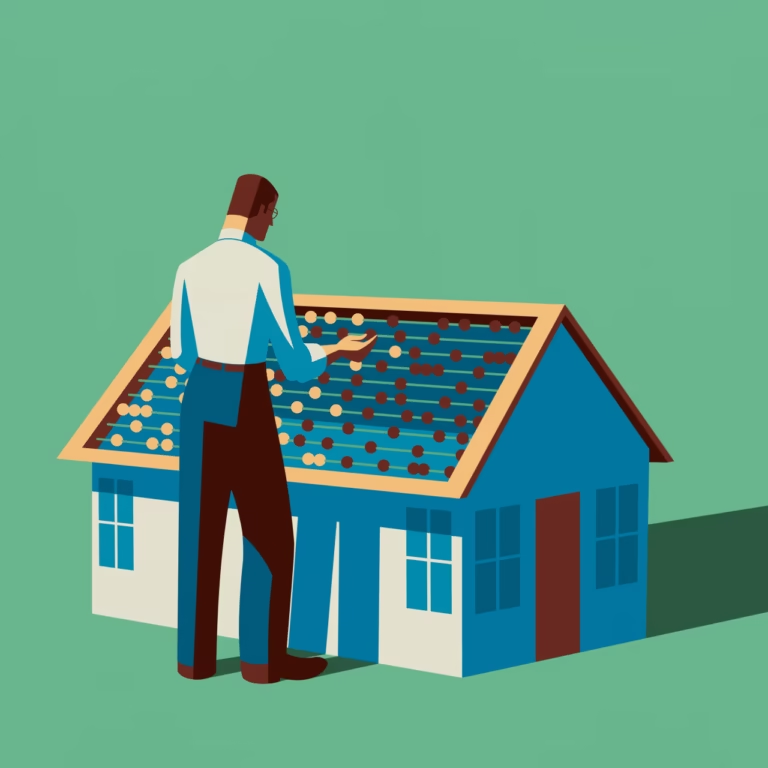
The hidden costs of homeownership that listings leave out: upkeep, insurance, taxes, HOA fees and repairs, with a simple yearly budget.
Hidden costs of homeownership: what this guide covers
- The Listing Price Doesn’t Tell the Whole Story
- The Costs You’ll Have to Pay Up Front Before Moving In
- The Financial Responsibilities of Owning a Home That Never End
- The Truth About Repairs and Maintenance
- Situations That Can Raise Costs Without Warning
- How to Handle Hidden Costs of Homeownership: Expert Advice
- A Realistic Example of How Much It Costs to Own Something
- Long-Term Plans to Keep Costs Under Control
- What Future Homeowners Should Know
It’s a big deal to buy a house. It’s a personal accomplishment, a place to make memories, and often the biggest financial investment you’ll ever make. For a lot of people, the search starts with looking at real estate listings and imagining the perfect kitchen, yard, or neighborhood. The price you see online is only part of the story, though.
Even people who have bought a lot of houses before can be surprised by the hidden costs of buying a house. These costs, like routine maintenance, insurance premiums, property taxes, and unexpected repairs, don’t always show up in the pretty listing photos or the seller’s asking price. But they can cost you thousands of dollars each year.
The key to enjoying homeownership without worrying about money is to know these costs before you sign a contract. This in-depth guide goes over all the costs of owning a home, how they can affect your budget, and the best ways to get ready for them. The rules here will still apply whether you buy today or ten years from now.
The Listing Price Doesn’t Tell the Whole Story

It’s easy to get caught up in the price of a property listing, but that price is just the entry fee. Like booking a trip, the cost of the flight might seem fair, but once you add up the cost of your luggage, hotel, meals, and activities, the total is much higher.
Like this, owning a home costs more than just your monthly mortgage payment. These costs aren’t always clear, but they will happen. Even if you find a home that looks perfect and is ready to move in, reality has a way of adding extra costs, like rising utility bills and replacing broken systems.
Hidden costs of homeownership you pay up front
There are costs to plan for at the closing table and while you’re moving long before you get your keys.
One of the biggest shocks for first-time buyers is the cost of closing. These fees pay for everything from getting the loan to searching for the title, paying the government to record it, and hiring a lawyer. The amounts can be in the thousands of dollars, but they depend on where you live and who you borrow from. A common range is between 2% and 5% of the purchase price. This means that you could pay anywhere from $7,000 to $17,500 before you move into a $350,000 home.
The home inspection is another important step. You don’t have to get an inspection, but it’s a risk to skip it. Professional inspectors can find problems with the structure, old wiring, hidden leaks, or signs of mold. If these problems are not fixed, they could cost tens of thousands of dollars. A basic inspection usually costs a few hundred dollars. If you need specialized tests like radon or termite inspections, the price goes up.
A simple rule for the hidden costs of homeownership: keep a separate savings pot for repairs and add to it every month.
And then there’s the cost of actually moving. If you hire professionals, you should expect to pay for their work, travel, and sometimes even packing. Even if you do the moving yourself, renting a truck, buying gas, packing supplies, and possibly paying for storage can add up quickly.
Most homeowners end up making repairs or upgrades before they move in, though. Common costs include changing locks for security, painting walls to match your style, fixing small damage, and getting new appliances that are out of date. If you do them all at once, even small improvements can cost thousands of dollars.
Educational only. Answers stay in your browser.
The Financial Responsibilities of Owning a Home That Never End

Once you move in, the hidden costs of buying a house become part of your normal budget. These costs that come up again and again are the real test of whether you are ready to buy a home.
One of the biggest regular costs is property taxes. The tax rate in your area and the value of your home are what they are based on. You might plan for the current year’s rate, but keep in mind that taxes can go up over time as property values go up or local governments change rates.
If you have a mortgage, you also need to pay for homeowners insurance. Policies protect against damage from theft, fire, and some natural disasters. Rates vary based on things like the age, location, and cost of replacing your home. Some places may need extra policies for earthquake or flood coverage, which can make premiums go up a lot.
You might also have to pay private mortgage insurance (PMI) if you put down less than 20% on your home. This protects your lender in case you don’t pay back the loan, and it usually costs a percentage of the loan amount each year.
Homeowners association (HOA) fees are required for people who live in neighborhoods with shared amenities or the same standards for maintenance. These include things like snow removal, landscaping, security, and fixing shared facilities. Fees can be very different from one neighborhood to the next, and they can be anywhere from low to high monthly costs.
Add the hidden costs of homeownership to your monthly budget as a line of their own: taxes, insurance, upkeep and a repair fund.
And of course, there are bills to pay. If you own a bigger house, you may have to pay more for electricity, water, heating, and cooling. When you add in things like internet, trash collection, and other services, the monthly total can be a shock, especially for people moving from a small apartment.
Repairs: the biggest hidden costs of homeownership
One of the most overlooked costs of buying a home is the ongoing maintenance that needs to be done to keep it in good shape. When something breaks, you can’t call your landlord like you can when you rent. You are in charge of fixing everything, from a leaky faucet to a roof that is falling apart.
A good rule of thumb is to set aside at least 1% of your home’s value each year for repairs. If your home is worth $300,000, you should set aside $3,000 each year for maintenance. This isn’t a perfect formula, but it gives you a safety net for everyday costs like:
- Taking care of your heating and cooling systems
- Cleaning gutters and keeping the drainage system in good shape
- Fixing or replacing parts of the roof
- Repainting the outside to protect it from the weather
- Fixing problems with the plumbing and electricity
Major systems and appliances also have lifespans that can be predicted. If they are well taken care of, water heaters can last eight to twelve years, furnaces can last fifteen to twenty years, and roofs can last twenty to thirty years. If you have a plan for replacing these things in the long term, you won’t have to worry about money when they break down.
Situations That Can Raise Costs Without Warning

Some costs don’t happen every year, but when they do, they can be big.
One example is natural disasters. Floods, wildfires, hurricanes, and earthquakes can do a lot of damage, and regular insurance doesn’t always cover them. You may need separate coverage in areas with a lot of risk, which can be expensive.
If you have an adjustable-rate mortgage, your monthly payments could go up if interest rates go up after your initial fixed period. A small percentage change can add hundreds of dollars to your monthly bills.
The local housing market is another factor. If the value of homes in your area drops a lot, you might not have as much equity as you thought you would. This isn’t an immediate cost, but it could affect your financial plans, especially if you need to sell.
How to Handle Hidden Costs of Homeownership: Expert Advice
Financial planners and real estate agents suggest a number of ways to get ready for these ongoing costs and keep your finances stable.
- First, set up an emergency fund that can cover your living costs for three to six months, such as your mortgage, taxes, and insurance. When you have to make sudden repairs or your income changes, this fund can help.
- Second, take the initiative when it comes to preventive maintenance. Servicing your HVAC system annually, cleaning gutters regularly, and sealing cracks early can prevent larger, more expensive problems later.
- Third, spend some time looking for services. Whether it’s insurance, pest control, or renovation contractors, getting multiple quotes can save thousands over the life of your home.
- Lastly, be sure to include all of your regular expenses in your budget, not just your mortgage payment. Seeing the full picture helps you avoid becoming “house poor” — owning a home but struggling to afford anything else.
A Realistic Example of How Much It Costs to Own Something
Think about a homeowner who buys a house for $350,000 and puts down 20% of the price. Their mortgage payment might be doable, but when we add in the other costs, we can see the whole picture.
- The yearly taxes on the property could be about $4,200.
- It could cost $1,500 to get homeowners insurance.
- The $3,500 maintenance reserve makes sure there is money available for repairs.
- Utilities could cost $3,000 a year on average, and HOA fees could add $1,800.
- Add $1,000 for things like pest control and small repairs, and the total cost each year, not including the mortgage, is about $15,000, or $1,250 more each month.
This doesn’t mean that owning a home is too expensive; it just means that you need to plan carefully and realistically.
Long-term plans for the hidden costs of homeownership
Little things you do with your money can add up over time.
- Put money into energy efficiency. For years, adding insulation, sealing air leaks, and using appliances that use less energy can lower your utility bills.
- Pick a place with low property taxes and insurance rates. Buying a home in a low-tax area that is a little less expensive can save you more money in the long run than buying a home in a high-cost area.
- Learn how to do small repairs yourself. You can save hundreds of dollars a year by doing things like replacing a faucet, fixing a running toilet, or painting a room yourself.
- Before big changes happen, make plans for them. If you know your roof is getting old, start saving money now.
- If interest rates go down, think about refinancing to lower your monthly payments. Just make sure the long-term savings are greater than the closing costs.
What Future Homeowners Should Know
Owning a home can be one of the best things you do for your money and your life, but it’s not just about having a place to call your own. It’s also about keeping up with the responsibilities that come with it.
Owning a home comes with hidden costs, like property taxes, insurance, and regular maintenance. You can enjoy the benefits of owning a home without always worrying about money if you know what to expect, plan for both planned and unplanned costs, and include them in your budget.
When you buy a house and know exactly how much it will cost, you’re not just buying a place to live; you’re also making a long-term investment in a lifestyle that you can enjoy and keep up for years to come.
The hidden costs of homeownership are only hidden until you list them. Put each one in your budget before you buy, and review it every year.
Hidden costs of homeownership: your next steps
Official resource: see the U.S. Department of Energy Energy Saver guide. Rules differ by country and state, so check the rules where you live.